
Pain & Inflammation Relief

630nm Research
- 630 nm LED Boosts Tendon Cell Growth and Movement
In a lab study on human biceps tendon cells from two patients, 20-minute 630 nm LED sessions (alone or combined with 880 nm) significantly increased cell viability and proliferation, with cell migration about three times higher than untreated cells - a property relevant to tendon repair rather than a direct pain measure.
- Pulsed 630 nm LED Relieves Menstrual Pain
Women with painful periods who used pulsed 630 nm LED therapy on the abdomen saw pain scores drop by over 45%, with better comfort and no side effects.
- 630 nm LED Reduces Gum Inflammation
In lab tests, 630 nm LED light decreased inflammation in gum cells by lowering harmful molecules and enzymes, suggesting benefits for swollen or irritated gums.
HeroSeries panels and face masks use 630nm red light
660nm Research
- Review: How Red and Near-Infrared Light Reduces Pain
This narrative review explains the mechanisms by which red and near-infrared light (including 660 nm) reduces pain, from calming over-active nerve fibres to lowering inflammatory chemicals, and summarises evidence across musculoskeletal and neuropathic pain conditions.
- Review: The Anti-Inflammatory Effects of Red and NIR Light
This review of red and near-infrared light therapy (660 and 810 nm feature among the studies) describes reduced inflammatory cytokines, prostaglandins and reactive nitrogen species across animal models, and a shift of immune macrophages toward a healing profile, concluding that "one of the most reproducible effects of PBM is an overall reduction in inflammation".
- Review: Laser Light in Inflammatory and Musculoskeletal Disease
This 2019 review (Curr Allergy Asthma Rep) of laser studies (660-940 nm) reports a pooled effect size of 0.85 for pain relief in musculoskeletal disorders and reduced NF-kB, TNF-alpha and IL-1 beta, but notes that 660 nm gave mixed results in arthritis models and that variable protocols limit firm conclusions.
- Meta-Analysis: Red and NIR Light Plus Exercise Reduces Tendon Pain
A systematic review and meta-analysis of 17 randomised trials (835 people) found that red/near-infrared light therapy combined with exercise reduced tendinopathy pain more than sham light plus exercise (about 1 point more on a 10-point scale); light therapy alone was similar to other treatments, and evidence quality ranged from very low to moderate.
- Review: Light Therapy for Arthritis Inflammation
This 2023 review of cell, animal and clinical studies (660-940 nm lasers and LEDs) reports that light therapy lowers TNF-alpha, IL-1 beta and IL-6, suppresses cartilage-degrading enzymes and, at 660 nm, shifts macrophages from the inflammatory M1 type to the reparative M2 type in arthritis models; the authors stress that results depend heavily on dose.
- 660 nm LED Helps with Nerve Pain
In nerve-damaged rats, 660 nm light improved movement and lowered pain by boosting antioxidants and reducing hypersensitivity.
- 660 nm LED Provides Rapid Pain Relief
Mice with acute inflammation experienced fast pain reduction with 660 nm LED light, supporting its use for immediate pain management.
HeroSeries panels, HeroBelt and HeroHat use 660nm red light
810nm Research
- 810 nm LED Speeds Up Burn Wound Healing
In rats with burn injuries, daily 810 nm LED sessions for 10 minutes lowered inflammation markers like TNF-α and COX-2, helping wounds close faster and easing pain - matching laser effectiveness with easier home use.
All HeroSeries panels use 810nm NIR light
830nm Research
- 830 nm LED Reduces Pain and Swelling After Eyelid Surgery
In 145 people recovering from blepharoplasty (eyelid surgery), those given 830 nm LED therapy (73 patients) had significantly less swelling, pain and anxiety and faster wound healing than the 72 given standard care, with no adverse effects.
- 830 nm LED Halves Recovery Time in Injured Athletes
In a pilot study of 65 university athletes with 395 sports injuries, an average of 4.3 sessions of 830 nm LED therapy reduced pain by about 6 points on a 10-point scale and cut time to return to play to 9.6 days, versus 19.2 days expected (p=0.0066).
- 830 nm Laser Improves Immune Markers After Wisdom Tooth Surgery
In a placebo-controlled study of 213 wisdom-tooth extractions, 830 nm diode laser treatment changed salivary immune markers (secretory IgA fell from about 547 to 305 mg/L) and thermographic readings, suggesting a calmer post-surgical immune response. Pain scores are not reported in the abstract. Laser study.
- 830 nm Laser Relieves Tennis and Golfer's Elbow in 324 Patients
In a multicentre, double-blind, placebo-controlled study of 324 people with medial or lateral epicondylitis, 830 nm diode laser (with a 632.8/904 nm scanner) achieved total pain relief and restored function in 82% of acute and 66% of chronic cases. While this study used lasers, other studies show "LED light can be as effective as LASER, since both have similar biological effects, with no significant difference between them".
HeroSeries panels and face masks use 830nm NIR light
850nm Research
- 850 nm and 940 nm LED Therapy Relieves Hand Osteoarthritis Pain
In 23 people with hand osteoarthritis, 18-minute sessions of high-density 850/940 nm LED light twice a week for 4 weeks cut pain scores from 73 to 35 out of 100, with the benefit holding at a 6-week follow-up and no adverse events; swelling and finger movement improved slightly but not significantly.
- 660 nm LED Relieves Jaw Pain in TMD as Effectively as Laser
In 60 people with temporomandibular disorder, three sessions of 660 nm red LED (5 minutes per tender point) reduced pain significantly compared with placebo, with no significant difference from an 810 nm laser; the authors concluded "both red LED light and LASER therapies could effectively relieve symptoms that associated with TMD with no significant differences between their outcomes" and that the "biosafety and non-invasive quality of LED light" make it "the preferred choice over LASER device in the treatment of TMD patients".
HeroSeries panels, HeroBelt and HeroHat use 850nm NIR light
Devices informed by pain & inflammation research³
-
HeroPanels Elite™ 10 Wavelength Red Light Therapy Panel
Regular price $1,199.00 - $6,698.00 AUDRegular price$1,199.00 - $6,698.00 AUDSale price $1,199.00 - $6,698.00 AUD- 590-1072nm
- 3 sizes
- Lifetime Support
-
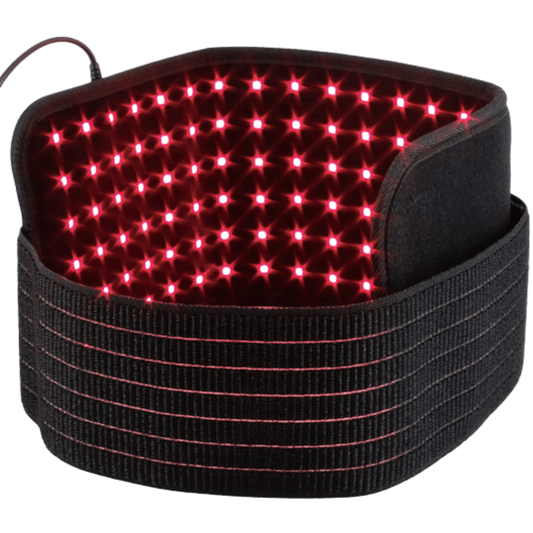
HeroBelt™ Red Light Therapy Belt
Regular price $449.00 AUDRegular price- 660 & 850nm
- Wraps back or joints
- Lifetime Support
-
HeroSnug Elite™ 6 Wavelength Red Light Therapy Sleeping Bag / Dual Mat Pod
Regular price $2,699.00 AUDRegular price- 630-1064nm
- Unzips into 2 mats
- Lifetime Support
-
HeroSnug™ Red Light Therapy Sleeping Bag / Dual Mat Pod
Regular price $2,199.00 AUDRegular price- 660 & 850nm
- Unzips into 2 mats
- Lifetime Support



Other red light therapy research
- Sleep quality
- Muscle mass and recovery
- Collagen production, skin and wrinkles
- Hair growth
- Neural function, depression and brain diseases
- ATP production and mitochondria function
- Injuries and wounds
- Eyesight
See the studies for yourself by clicking the links above or visit our RLT Wavelength Research page for an overview.