
Neural Function, Depression and Brain Diseases

810nm Research
- Self-administered 810 nm LED treatment changed brain structure and function in a concussion case
In a single case report, a 23-year-old professional hockey player with multiple past concussions used an 810 nm LED device (transcranial plus intranasal) at home for 8 weeks. Follow-up MRI showed increased brain volumes, improved functional connectivity and cerebral blood flow, alongside better neuropsychological test scores. The authors stress that this is one person and that replication studies are needed.
- Whole-head 810 nm near-infrared therapy in Alzheimer's disease: a pilot study
In a small open-label pilot, nine people with Alzheimer's completed four months of whole-head 810 nm NIR treatment (100 mW/cm², 30 minutes, six sessions a week). Mini-Mental State scores rose by an average of 3.2 points and ADAS-cog scores improved by 5 points, with gains still present two months later and no device-related side effects. There was no placebo group, so larger controlled trials are needed.
- 810 nm (and 660 nm) LED light protected neurons from amyloid-beta toxicity in a lab model of Alzheimer's
In a lab study on differentiated neural cells exposed to amyloid-beta, daily LED treatment at 660 nm and 810 nm (3 J/cm², seven days) reduced cell damage, preserved neuron structure and restored acetylcholine levels, suggesting a protective effect on the memory-related cholinergic system. Cell study only.
- Significant Cognition Improvement in Dementia with 810 nm PBM
In a case series of mild to moderate dementia patients, 810 nm pulsed LED therapy led to notable gains in thinking, memory, and daily function, with no side effects.
- Three Doses of 810 nm Laser for Anxiety and Depression in Mice
Different doses of 810 nm NIR light reduced anxiety and depressive behaviors in stressed mice by boosting serotonin and lowering brain stress markers. While this study used lasers, other studies show "LED light can be as effective as LASER, since both have similar biological effects, with no significant difference between them".
- Transcranial PBM for Opioid Use Disorder and Depression
In patients with opioid addiction, 810 nm PBM reduced cravings and depressive symptoms, offering a non-invasive way to support mental health in brain-related disorders.
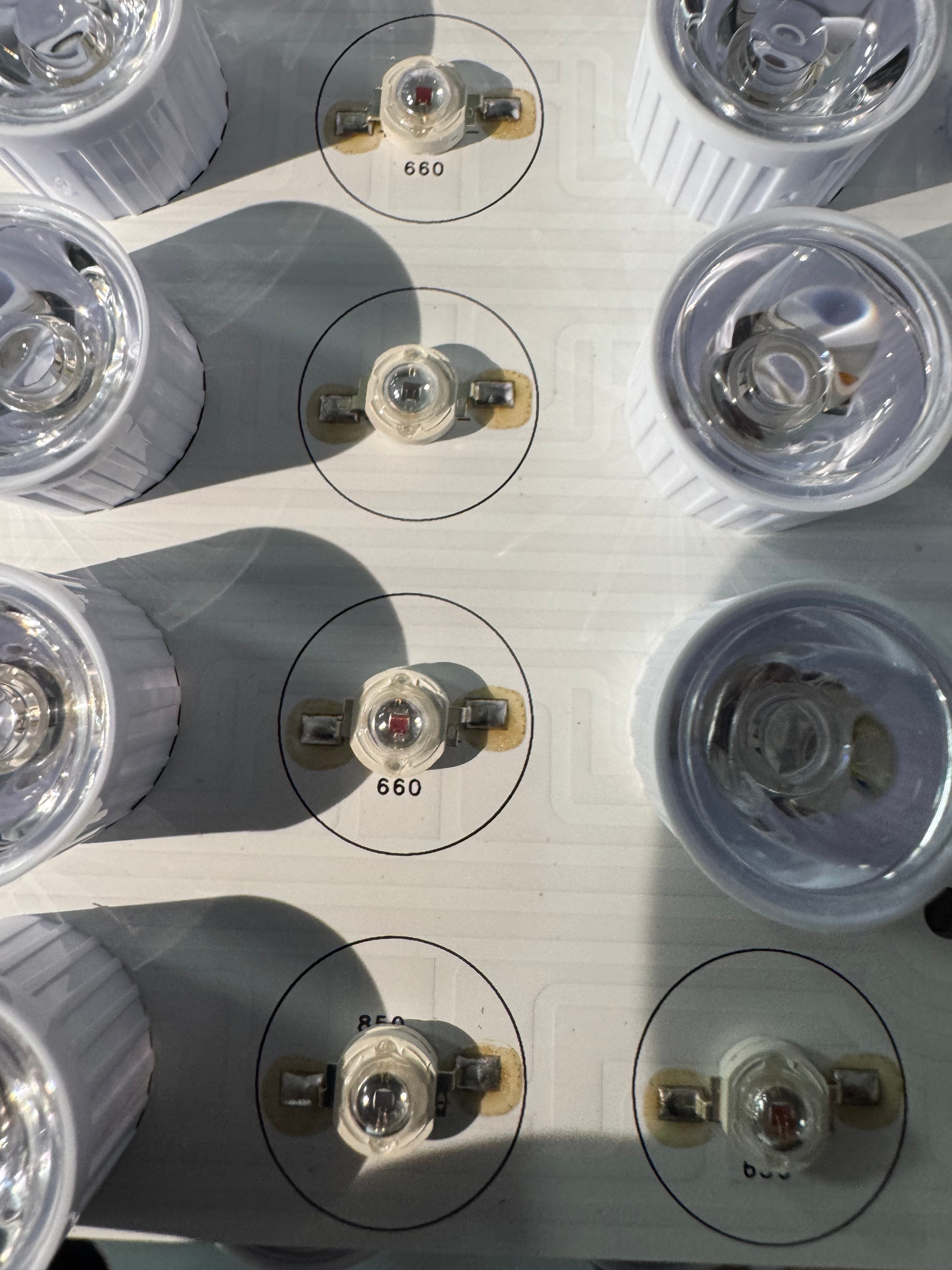
All HeroSeries panels use 810nm NIR light
830nm Research
- 830 nm LED Tolerability for Mood and Anxiety Disorders
Across three studies involving 80 people with depression or anxiety, low-dose 830 nm LED light applied to the head was safe and well-tolerated over up to 12 weeks, with only mild, temporary side effects like headaches and no increase in issues with more sessions.
- 830 nm LED treatment in adults with autism: proof-of-concept study
Ten adults with high-functioning autism used a transcranial 830 nm LED device twice a week for 8 weeks. Social Responsiveness Scale scores fell by 30.6 points on average (p<0.001), with half meeting responder criteria and improvements in global functioning and quality of life; adherence was 98%. Open-label and small. (830 nm per the Neural Regeneration Research 2024 review of this trial.)
- 823 nm LED Transcranial Photobiomodulation for Major Depressive Disorder
In a small pilot trial, people with major depression used an LED device emitting near-infrared light at 823 nm (practical overlap with 830 nm) on their foreheads twice a week for 8 weeks, showing notable improvements in mood with medium to large effects and no serious side effects.
- Review: 830 nm light in an autism mouse model and a 31-month depression case
A 2025 review in Theranostics summarises animal and human PBM depression research, including an 830 nm study that reduced cognitive dysfunction and neuroinflammation in a valproate-induced mouse model of autism, and a 31-month case in which 830 nm transcranial treatment (49.8-59.8 J/cm²) relieved anxious depression in a patient who also had Takotsubo cardiomyopathy. Review article, not a primary trial.
HeroSeries panels and face masks use 830nm NIR light
850nm Research
- Systematic review: transcranial PBM (633-1064 nm, including 850 nm) in chronic traumatic brain injury
A 2024 systematic review of 16 studies (12 case reports/series and 4 clinical studies) of transcranial light therapy for chronic TBI found consistent reports of improved cognition, mood, sleep and cerebral blood flow across wavelengths of 633-1064 nm including 850 nm, but notes small samples and a lack of randomised controlled trials.
- 850 nm LED (Combined with 670 nm) Shows Potential for Parkinson's Disease Treatment
This review of studies highlights that LED therapy at 670 nm and 850 nm directed transcranially or remotely improved motor symptoms like gait and balance, non-motor symptoms such as cognition and smell, and provided neuroprotection by reducing neuronal death and inflammation in Parkinson's animal models and human trials.
- 660/850 nm LED helmet improved fine motor skills in para-athletes
Six boccia para-athletes used a 204-diode helmet emitting 660 and 850 nm (9 J/cm², 15 minutes, three times a week) in a two-week placebo-controlled crossover. Manual dexterity and coordination improved with active treatment but not placebo. Tiny sample; participants were para-athletes, not a Parkinson's population.
- Whole-body 660/850 nm LED bed (or 1070 nm helmet) improved long-COVID brain fog
In an open-label pilot, 14 people with post-COVID brain fog were split between a 1070 nm transcranial helmet and a 660/850 nm whole-body LED bed for 12 sessions over four weeks. Both groups improved significantly on cognitive tests (including MoCA) and EEG measures. Only seven people per group and no sham arm. (Multi-wavelength)
- Home-made 670/810/850 nm LED "bucket" helmets in Parkinson's: early observations
Six people with Parkinson's used home-built LED helmets (670, 810 and 850 nm; one used a 660 nm intranasal device) for up to 24 months. By patient, spouse and physician assessment, about 55% of tracked symptoms improved, 43% were unchanged and 2% worsened, covering both motor and non-motor symptoms. Uncontrolled observational report.
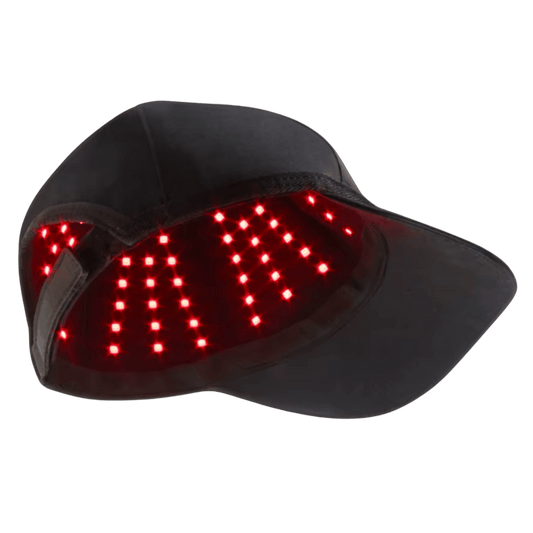
HeroSeries panels, HeroBelt and HeroHat use 850nm NIR light
Did you know only near-infrared (NIR) wavelengths can reach deep enough to affect the brain? That’s why this page focuses solely on NIR studies - red light doesn’t penetrate far enough to be effective for brain-related applications.
Devices informed by neural function, depression and brain diseases research³
-
HeroHat LED™ Red Light Therapy Hat
Regular price $449.00 - $1,448.00 AUDRegular price$449.00 - $1,448.00 AUDSale price $449.00 - $1,448.00 AUD- 660 & 850nm
- Wall or power bank
- Lifetime Support
-
HeroPanels Elite™ 10 Wavelength Red Light Therapy Panel
Regular price $1,199.00 - $6,698.00 AUDRegular price$1,199.00 - $6,698.00 AUDSale price $1,199.00 - $6,698.00 AUD- 590-1072nm
- 3 sizes
- Lifetime Support
-
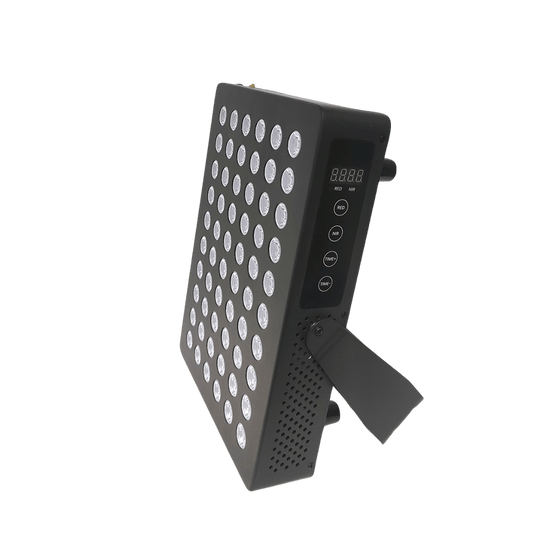
Hero60™ Tabletop Red Light Therapy Panel
Regular price $999.00 AUDRegular price- 630-850nm
- Fits most backpacks
- 3-Year Warranty
-
Hero300™ Red Light Therapy Panel
Regular price $2,199.00 - $2,848.00 AUDRegular price$2,199.00 - $2,848.00 AUDSale price $2,199.00 - $2,848.00 AUD- 630-850nm
- Half-body coverage
- 3-Year Warranty


Other red light therapy research
- Sleep quality
- Pain and inflammation
- Muscle mass and recovery
- Collagen production, skin and wrinkles
- Hair growth
- ATP production and mitochondria function
- Injuries and wounds
- Eyesight
See the studies for yourself by clicking the links above or visit our RLT Wavelength Research page for an overview.