
Sleep Quality
630nm Research
- Red Light PBM (Including 630 nm) for Better Sleep
This review suggests that photobiomodulation with red light around 630 nm applied at night can improve sleep by boosting brain function, clearing toxins like beta-amyloid during rest, and supporting overall well-being without invasive methods.
- 633 nm and 870 nm LED head treatment linked to better sleep after brain injury
(633 nm - overlaps 630 nm) Eleven people with chronic mild traumatic brain injury received 18 sessions of red (633 nm) and near-infrared (870 nm) LED cluster-head treatment to the scalp over six weeks in an open-label pilot, with significant gains in attention and memory tests and participants reporting "improved sleep" and fewer PTSD symptoms; there was no placebo group.
- 630 nm red-light glasses improve reaction times in real shift workers
In a 20-week field study of day- and night-shift healthcare workers, wearing personal light glasses giving 50 lux of 630 nm red light improved response times compared with dim light; blue (460 nm) light did the same and was the condition that reduced self-reported sleep disturbances, so the authors suggest red light as an alertness aid for shifts rather than a sleep treatment.
- 630 nm red LED light restores brain fluid flow in an Alzheimer's mouse model
In APP/PS1 mice, 630 nm red LED light (chosen for its low heating and roughly 49% penetration to the brain) broke up amyloid-beta deposits, reopened obstructed interstitial-fluid flow and improved memory. Sleep was not measured; this is the mechanistic study behind the "lights at night" hypothesis above.
HeroSeries panels and face masks use 630nm red light
660nm Research
- 660 nm LED (with 850 nm) Enhances Sleep in Older Adults
In a feasibility trial with 120 nursing home residents, a LED cap emitting 660 nm red and 850 nm NIR light applied for 30 minutes three times a week over 6 weeks significantly improved sleep quality, along with reducing fatigue and depression.
- 658 nm LED Improves Sleep Quality in Female Athletes
Twenty female basketball players received 30 minutes of whole-body 658 nm (practical overlap with 660nm) red LED light nightly for 14 days, resulting in better sleep quality scores, longer sleep duration, and higher melatonin levels compared with an untreated control group.
- 660 nm LED (Multi-Wavelength) Boosts Sleep Satisfaction
In a randomized sham-controlled trial, participants with sleep complaints used a device with 660 nm, 740 nm, 810 nm, and 870 nm LED light on the neck before bed, leading to better perceived relaxation, sleep satisfaction, and next-day alertness without affecting objective sleep measures.
HeroSeries panels, HeroBelt and HeroHat use 660nm red light
810nm Research
- 810 nm transcranial plus intranasal LED brings "better sleep" in dementia (case series)
Five people with mild to moderately severe dementia used an 810 nm pulsed LED device (weekly in-clinic transcranial/intranasal plus daily home intranasal) for 12 weeks, improving MMSE (p < 0.003) and ADAS-cog (p < 0.023) scores, with families reporting better sleep, fewer angry outbursts and less anxiety and wandering; benefits faded in the four weeks after stopping.
All HeroSeries panels use 810nm NIR light
830nm Research
- 830 nm Photobiomodulation Improves Sleep in Hemodialysis Patients
In a randomized trial with 40 patients on hemodialysis, applying 830 nm light to the palm and acupoints for sessions over a month significantly lowered sleep disorder scores on standard questionnaires, indicating better sleep quality and less insomnia, alongside improved life quality. While this is a laser study, it is conceivable similar results may be found with powerful LEDs.
- 830 nm light improves sleep quality in night-shift nurses
Sixty night-shift nurses received 830 nm photobiomodulation to the palm and any painful area (252 J/cm²); Pittsburgh Sleep Quality Index and Athens Insomnia Scale scores fell significantly (p < 0.001) after one month, together with better quality-of-life scores. While this study used lasers, other studies show "LED light can be as effective as LASER, since both have similar biological effects, with no significant difference between them".
HeroSeries panels and face masks use 830nm NIR light
850nm Research
- 660 nm and 850 nm LED Improves Sleep in Shift-Work Nurses
In a trial with nurses who had trouble sleeping due to shift work, using a cap that shines 660 nm red and 850 nm near-infrared LED light on the head for 30 minutes, three times a week for a month, greatly reduced insomnia symptoms and improved overall sleep quality, plus lowered depression, anxiety, and stress.
- 660 nm and 850 nm whole-body light bed shortens sleep but improves recovery markers in soccer players
Twelve female college soccer players using a 660/850 nm whole-body LED bed for 20 minutes up to twice weekly slept about 40 minutes less on treatment nights but showed a lower resting heart rate and a trend to higher heart-rate variability; an observational study, so the shorter sleep should be read with caution.
- 850 nm LED Boosts Well-Being but Not Sleep in Mild Sleep Issues
People with mild sleep problems who sat under an 850 nm near-infrared LED lamp for a few hours a day, five days a week in winter, felt better overall with less drowsiness and better mood, but it didn't directly improve their sleep quality or rhythms.
HeroSeries panels, HeroBelt and HeroHat use 850nm NIR light
Did you know blue light and nighttime light can disrupt your circadian rhythm and damage your sleep? That's why we also sell HeroFilter 100% blue light glasses - which fit over most prescription glasses - and HeroSleep!
Devices informed by sleep research³
-
HeroFilter™ 100% Blue Light Blocking Glasses
Regular price $159.00 AUDRegular price -
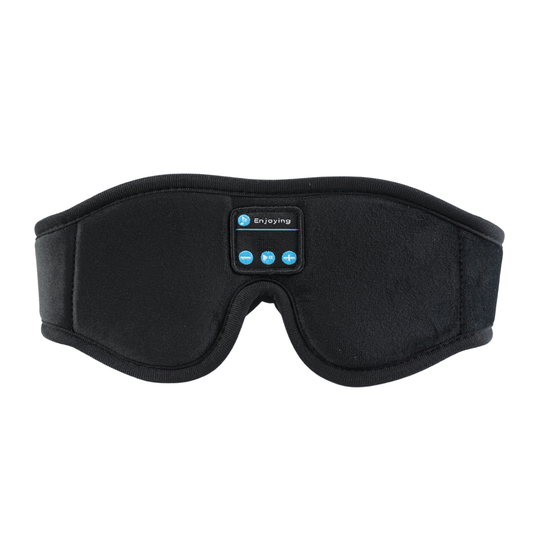
HeroSleep Soothe™ Sleep Mask
Regular price $159.00 AUDRegular price$159.00 AUDSale price $159.00 AUD -
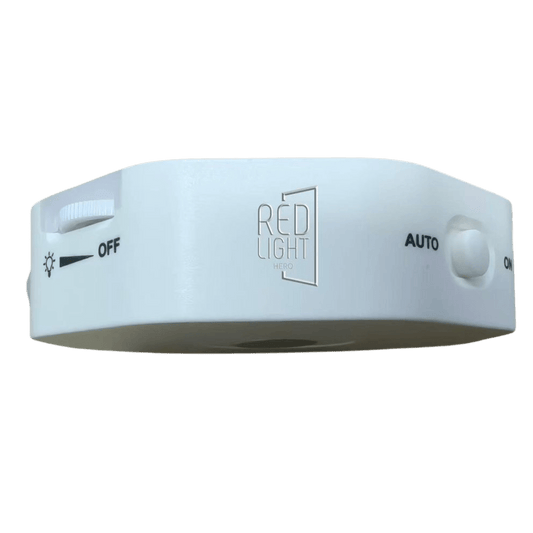
HeroNightlight™ Red Light Nightlight
Regular price $79.00 AUDRegular price -
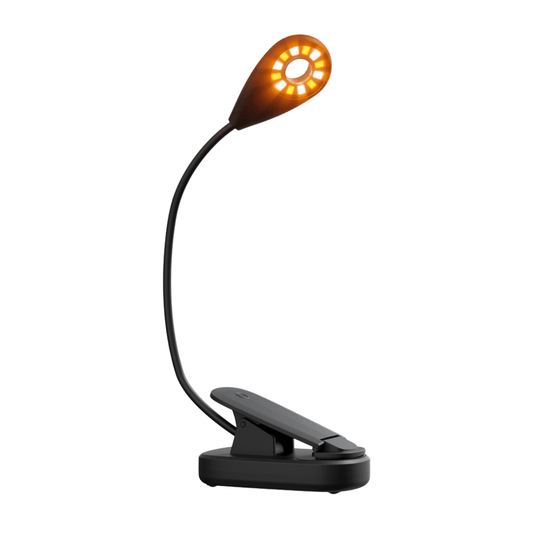
HeroReader™ Red Light Reading Lamp
Regular price $79.00 AUDRegular price

Other red light therapy research
- Sleep quality
- Pain and inflammation
- Muscle mass and recovery
- Collagen production, skin and wrinkles
- Hair growth
- Neural function, depression and brain diseases
- ATP production and mitochondria function
- Injuries and wounds
- Eyesight
See the studies for yourself by clicking the links above or visit our RLT Wavelength Research page for an overview.